
Event organizers spend a lot of time thinking about growth. More attendees. More exhibitors. More sponsors. More revenue. But the events that drive long-term growth often have one thing in common: they create peak moments that make attendees want to come back.
According to Freeman research shared at the 2026 SISO CEO Summit, average attendee retention sits at about 30% year over year. That means roughly 70% of attendees are replaced at each event. The encouraging part is this: 85% of attendees said they are more likely to return if they experience a “peak moment.” (Trade Show News Network)
That should get every event organizer’s attention.
Why Peak Moments Matter for Event Retention
If retention is low, growth gets harder. Every year becomes a heavier lift. Marketing costs rise. Acquisition pressure increases. And the event team ends up rebuilding momentum instead of compounding it.
But if people come back, everything changes.
Returning attendees are easier to convert, easier to upsell, and more likely to bring others with them. They know the event. They trust the brand. They understand the value. Most importantly, they already have an emotional reason to return.
That is why “peak moments” matter so much.
A peak moment is not just a good session. It is not just a nice venue or decent food. A peak moment is something that makes an attendee say, “That was worth it.” It is the kind of moment people remember after the event is over. It is what they talk about to coworkers on the flight home. It is what makes them register again next year.
And in many cases, that moment is not found on the stage.
It is found in a conversation.
It is found in an introduction that opens a door.
It is found in meeting the right client, partner, investor, employer, mentor, speaker, or peer at exactly the right time.
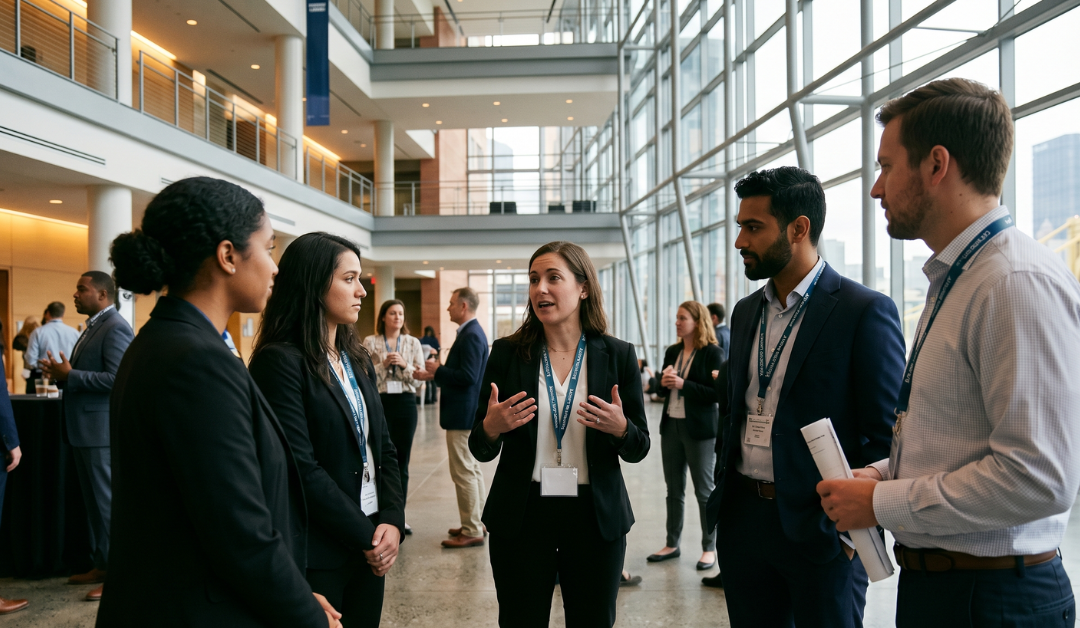
That is why networking is not a side activity at events. It is one of the biggest drivers of retention.
At the same SISO CEO Summit, TSNN noted that the event created plenty of opportunities for real interaction through breakfasts, lunches, breaks, receptions, dinners, and smaller community moments throughout the event. The broader message coming out of the summit was clear: meaningful connection matters, and thoughtful event design can create it. (Trade Show News Network)
Too many events still treat networking like filler.
They assume people will “just connect” in the hallway. They place everyone in the same room and hope chemistry happens. They call it networking because a cocktail reception is on the schedule.
But unstructured networking often creates awkward moments, missed opportunities, and uneven outcomes. In fact, one takeaway highlighted by TSNN from the summit was the importance of eliminating awkward moments and intentionally creating better connection experiences. (Trade Show News Network)
That idea is bigger than logistics. It goes right to the heart of retention.
When people leave an event feeling isolated, unseen, or like they wasted their time, they are less likely to return.
When they leave saying, “I met exactly who I needed to meet,” that event becomes valuable in a way that is hard to replace.
This is especially true today because attendees are more selective than ever. Travel is expensive. Time away from work is costly. Attention is limited. People do not want more noise. They want progress. They want relevance. They want a reason to show up in person.
And that reason is often people.
The strongest events understand this. They do not just deliver content. They create connection.
They engineer moments where attendees can meet the right people faster.
They reduce friction.
They make introductions easier.
They help first-time attendees feel like insiders.
They give exhibitors and sponsors better conversations instead of random traffic.
They help communities form, not just crowds gather.
When these peak moments happens, retention improves because the event becomes more than a date on a calendar. It becomes part of someone’s professional growth.
Think about it this way: content can attract attendance, but connection builds loyalty.
A keynote may get someone in the room. A meaningful conversation may be the reason they come back.
That is why event leaders should start treating networking outcomes as a strategic retention lever, not just an added benefit.
A Few Simple Mindset Shifts
First, stop viewing networking as an optional social layer. It is core to the attendee experience. For many people, especially in B2B events, the real ROI is not just what they learned. It is who they met.
Second, design for intentionality. Not every attendee wants the same thing. Some want buyers. Some want peers. Some want partners. Some want mentorship. Some want community. The more precisely you can help people find the right connections, the more likely they are to see value.
Third, remove awkwardness. Networking should not feel like guesswork. The easier it is for someone to know who to talk to and why, the more confident and engaged they become.
Fourth, think beyond one big reception. Micro-moments matter. Breakfast tables, meetups, roundtables, guided introductions, hosted conversations, and topic-based matchmaking can all create stronger emotional impact than one large generic mixer.
Finally, measure connection quality, not just attendance volume. A packed room does not automatically mean a successful event. The better question is: did people make meaningful connections that made the event feel worth repeating?
That is where retention starts to move.
The events industry is entering a new era where personalization, community, and ROI matter more than ever. The old model of hoping value happens is not enough. Attendees expect more. They want experiences that feel relevant and human.
The good news is this: retention is not only about marketing harder next year. It is about designing better moments this year.
If Freeman’s research tells us that peak moments increase the likelihood of return, then event leaders should ask a simple question:
What are we doing to create those moments on purpose?
Because when attendees experience real value through real connection, they do not just remember your event.
They return to it.
About the MatchPoint Partner Program
The MatchPoint Partner Program is built to help event organizers do two important things at the same time: improve the attendee experience and open up a new revenue opportunity. Partners get access to the MatchPoint app at no cost, making it easy to offer smarter networking and stronger connections without adding another major expense to the event budget. On top of that, partners can earn revenue through the program, creating a win-win model where better engagement can also lead to financial upside. It is a practical way for organizers to give attendees more value, help exhibitors and vendors make better connections, and benefit directly from bringing a stronger networking solution into their event ecosystem. Learn more here.
About MatchPoint
MatchPoint helps events create smarter networking experiences by connecting attendees, exhibitors, vendors, and other participants based on meaningful data points and shared interests. The goal is simple: help the right people meet faster, reduce awkward networking, and create more valuable event experiences for everyone involved. Learn more here.